Buying Bulk Water Bottles: What I Check Before Placing a Wholesale Order
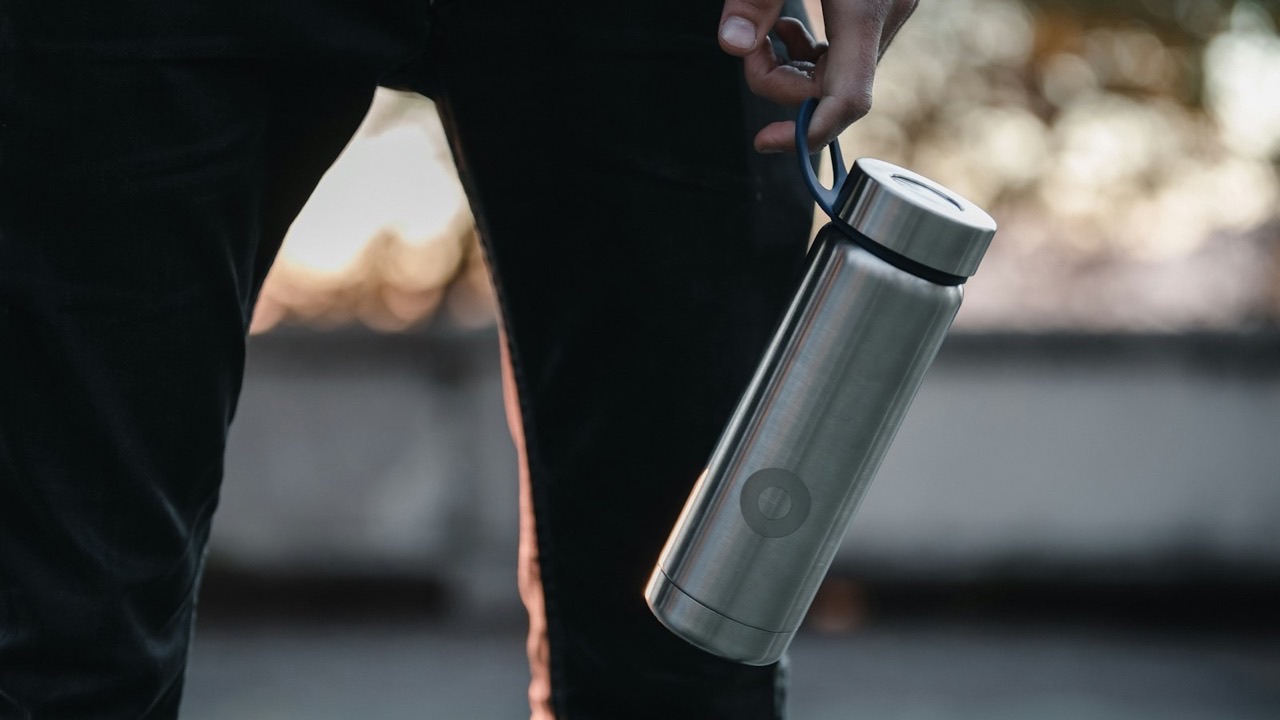
The most expensive lesson I learned sourcing drinkware was that a clean quote tells you almost nothing. My first big order of bulk water bottles looked perfect on paper — right price, quick lead time, “304 stainless” on the spec — and it wasn’t until a customer complaint and a lab test that I found out the bottles weren’t 304 at all. Since then I treat a bulk order as a vetting exercise, not a shopping trip. Here’s the checklist I run through before I send a single dollar to a factory: the steel grade, the certifications, the MOQ and lead time, the customization, and how I confirm the supplier is actually who they say they are.
304 vs 316 (and the 201 trap)
Start with the metal, because it’s where the quiet substitutions happen. 304 — also written SUS304 or 18/8 — is the standard food-grade stainless: roughly 18% chromium, 8% nickel, safe and corrosion-resistant, and it covers most markets. 316 (and 316L) adds molybdenum, which buys extra resistance to chlorides — sweat, salt air, coastal and sports use — so it’s the premium pick when that matters or when you want to market durability and taste-neutrality.
Here’s the myth to drop: insulation performance does not come from the grade. A well-made double-wall vacuum bottle in 304 keeps drinks cold just as long as one in 316 — the retention comes from the quality of the vacuum between the walls, not the alloy. So don’t let anyone upsell you to 316 “for better insulation.” That’s not how it works.
The real risk is 201 — a cheaper, higher-manganese steel with weaker corrosion resistance that sometimes gets shipped when 304 was quoted. It’s the single most common way a bulk order goes wrong. When I source bulk water bottles from a manufacturer now, the grade goes in the contract in writing and I ask for a material test report against it — and on a large order I’ll third-party test a sample too. A factory that provides mill/test documentation without fuss is telling you something good about the rest of the order.
Certifications depend on where you sell
A certification only matters if it’s the one your destination market asks for. For the US, that’s FDA food-contact compliance. For Germany and much of the EU, it’s LFGB, which is stricter — it adds sensory testing for odor and taste transfer on top of heavy-metal and chemical migration checks, and German or French importers often insist on it. Depending on your channel you may also need BPA-free documentation, California Prop 65 compliance, or EU REACH.
The detail buyers miss: FDA and LFGB don’t certify a steel grade — they test whether harmful substances migrate out of the finished product. That includes the lid, the gasket, the spout, and the straw, which touch the beverage directly. I’ve seen a perfectly good stainless body fail food-grade evaluation because of a cheap seal. Ask for certs on the complete bottle, not just the steel.
MOQ and lead time: scale to your customization
MOQ and lead time aren’t fixed numbers — they climb with how custom you go. As a rough map from what factories quote: a logo on a stock body can start low, sometimes 50 to a few hundred pieces; a custom color or powder coat usually pushes MOQ toward 1,000; and a new mold or custom shape (ODM tooling) is a bigger commitment, often 2,000–3,000+ per color and a real cost and time investment. In-stock items sit at the low end.
Lead time follows the same logic. Samples typically run about 5–7 days; light customization a few days up to a couple of weeks; and full mass production commonly lands around 30–35 days depending on quantity and complexity. Build that into your launch calendar — the number one scheduling mistake is treating a custom bottle like an in-stock one.
One vocabulary note that saves confusion: OEM means the factory builds to your design; ODM means you brand their existing design. ODM is faster and cheaper; OEM gives you a unique product but costs more in tooling and time.
Customization that actually holds up
Decoration is where a brand lives, so it’s worth specifying properly. Logo options are usually laser engraving, silk-screen, pad print, or a 3D logo, placed on the body, lid, or base. Color can be Pantone-matched, and powder coating is the common finish — but powder coat quality varies, and a coating that chips or can’t survive a dishwasher becomes a returns problem with your name on it. I ask for adhesion and abrasion evidence, and a sample I can abuse a little. Don’t forget packaging — a custom gift box is often part of the order and the lead time.
How I vet a factory before ordering
Beyond the specs, the supplier itself is what you’re really buying. Before I commit I want: a material/grade test report, a pre-production sample approved against spec, insulation and leak-test data (hot/cold retention hours, not just the words “double wall”), an agreed AQL inspection on the batch before it ships, and clear Incoterms — FOB versus DDP — so I’m comparing landed cost, not just the ex-works price. A supplier who answers all of that plainly is worth more than one that’s cheaper and vague.
Real sourcing scenarios
The “304” order that tested as 201 is the one that changed how I work — good-looking bottles, wrong steel, and a batch I couldn’t sell with a clear conscience. A different lesson came from an EU launch: the bottles had FDA paperwork, but the German importer required LFGB, and we lost weeks getting the finished product retested because nobody had checked the destination market first. And a powder-coat batch once shipped with a finish that chipped at the base within weeks of normal use — the coating had never been adhesion-tested, the returns piled up, and the “savings” on that supplier evaporated. None of those were exotic failures. Each one would have been caught by the checklist above.
FAQ
What is the difference between 304 and 316 stainless steel water bottles? Both are food-grade. 304 (18/8) suits most markets. 316 adds molybdenum for stronger resistance to chlorides — sweat, salt, coastal use — so it’s the premium choice for those conditions. Insulation is the same for both; retention depends on the vacuum quality between the walls, not the grade.
What MOQ should I expect for custom bulk water bottles? It scales with customization. A logo on a stock body can start low (often tens to a few hundred pieces), a custom color or powder coat commonly needs around 1,000, and a new mold or custom shape can require 2,000–3,000+ per color. In-stock items have the lowest minimums. Confirm per style and color.
Do I need FDA or LFGB certification? It depends on your market. FDA covers the US; LFGB is the stricter German/EU standard and adds odor and taste testing. Some buyers also need BPA-free, Prop 65, or REACH documentation. Certify the finished bottle — including lid and gasket — not just the steel grade.
How do I know a factory is really using 304 and not 201? Put the grade in the contract and require a material or mill test report. For large orders, have a sample independently tested. The 201 substitution — cheaper steel shipped when 304 was quoted — is a known risk, and a supplier that documents the grade willingly is a good sign.
How long does a bulk water bottle order take? Typically samples take about 5–7 days, light customization a few days to two weeks, and full mass production around 30–35 days depending on quantity and complexity. Custom colors, new molds, and packaging add time. Plan your launch around production, not around in-stock lead times.
What’s the difference between OEM and ODM water bottles? OEM means the factory manufactures to your own design and specification. ODM means you put your brand on the factory’s existing design. ODM is faster and cheaper to launch; OEM gives you a distinct product but costs more in tooling and time.
Bottom line
Source bulk water bottles in order: confirm the steel grade and get it in writing, match certifications to the market you sell in, size MOQ and lead time to your level of customization, specify decoration that survives real use, then vet the factory with test reports, samples, and inspection. Do that and a wholesale order stops being a gamble — the bottles that arrive are the ones you actually ordered.